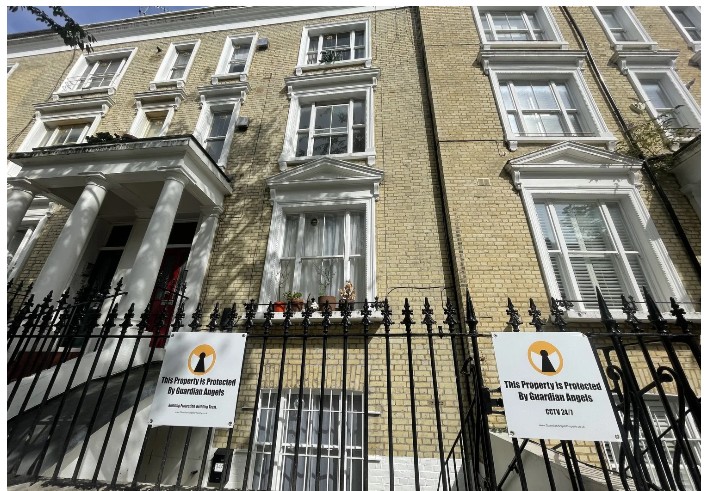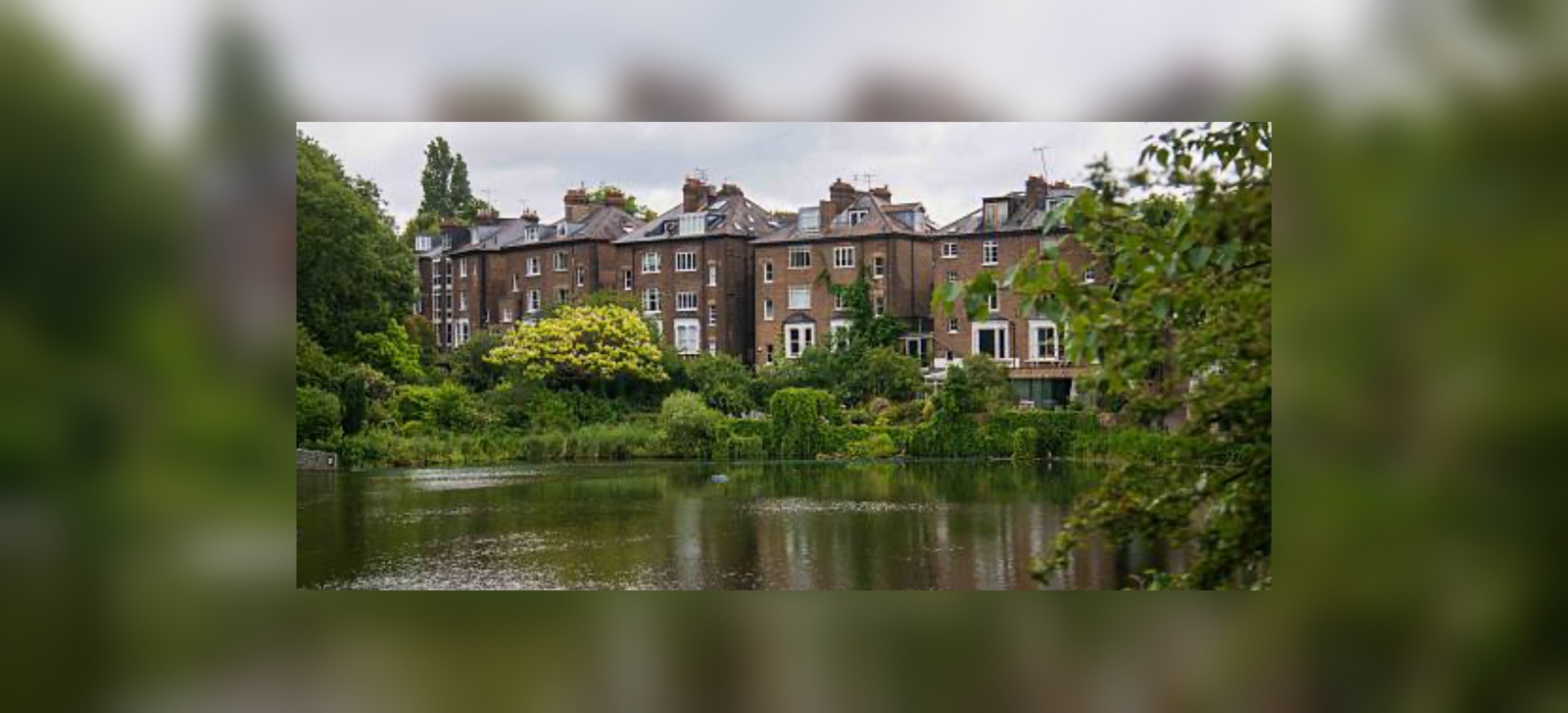

Ask an owner what a vacant period costs them and the answer usually starts with a number: rates, security, insurance. Fewer stop to think about what that same period does to the building itself, or what it signals to everyone who walks past it in the meantime.
The damage that never shows up on a single bill
Buildings decline faster when nobody is in them, and not always in ways that are obvious month to month. Heating that isn't run regularly lets damp take hold quietly. A minor leak behind a wall can go unnoticed for months. Pipework left unheated is more vulnerable to frost damage. Joinery and finishes weather faster under fluctuating, unmanaged conditions. None of this appears as a single cost, but it shows up eventually, usually as a larger repair bill than it would have been if someone had simply been there to notice it early.
A guardian living in the building keeps it heated, ventilated, used and watched. That's a genuinely different starting position for a property heading toward sale, redevelopment or re-letting compared with one that has sat cold and untouched for the same stretch of time.
What an empty building says to everyone else
A vacant property doesn't just sit quietly in isolation. Neighbours notice a boarded, obviously empty building on their street. Local authorities notice it. Increasingly, so do prospective buyers and funders doing due diligence before committing to anything. A well-kept, occupied building sends a different signal entirely, one of active management rather than neglect, and that can matter for planning relationships, local perception, and how a property is regarded when it eventually returns to market.
For housing associations, estates and institutional owners in particular, that reputational side is often just as relevant as the direct financial saving. Handing a property back in genuinely good condition, rather than one requiring remedial work before anyone can view it, changes how smoothly the next stage goes.
A practical way to bridge a period of change
At its core, guardianship is a bridging arrangement: a way of keeping a building genuinely occupied and cared for during an interval where its future use is settled but not yet under way, whether that's a redevelopment waiting on planning permission, a probate estate waiting to sell, or commercial premises between tenants. It doesn't compete with whatever comes next; it protects the building's condition and value until that stage can begin.
Owners keep full access throughout and can recover vacant possession on notice whenever their plans require it, so guardianship never gets in the way of a sale, a start on site, or a change of direction. What it does, in the meantime, is turn what would otherwise be pure downtime into a period that's actively looked after, secure, and put to good use.
Have a property about to sit empty for a while? The earlier a guardianship scheme is set up, the more of that vacant period it protects.